

Synthetic Nicotine Derivatives
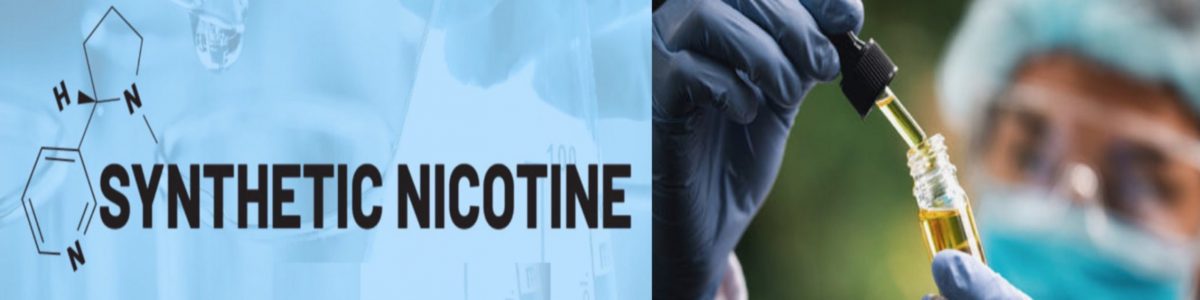
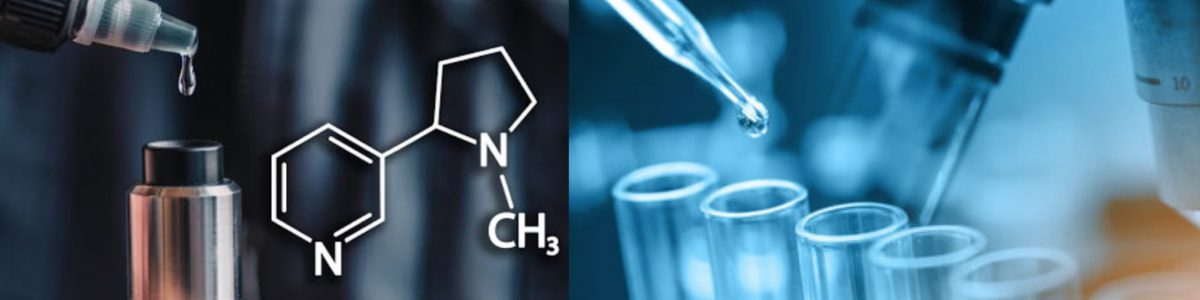
Synthetic Nicotine is a manufactured form of nicotine, produced in a laboratory, as opposed to being extracted from tobacco leaves. Synthetic nicotine (tobacco-free nicotine) is chemically identical to natural nicotine (tobacco-derived nicotine) but is made in a laboratory using synthetic processes.
Several synthetic derivatives of nicotine are being explored as safer, more potent, or less addictive alternatives to natural nicotine, with potential applications in research, smoking cessation, or other therapeutic contexts. However, more recently, research efforts have primarily focused on modifications to bypass the vaping and nicotine pouch regulations or enhance the user experience – even if many Synthetic Nicotine derivatives remain understudied in terms of long-term health impacts, and some studies have raised concerns about their safety and potency.
The most well-known nicotine derivatives are:
6-Methyl nicotine: A derivative formed by adding a methyl group at the sixth carbon position of the pyridine ring. This modification alters the structure of nicotine and may affect its pharmacological properties, such as how it interacts with nicotinic acetylcholine receptors in the brain and body. It is more potent and potentially more cytotoxic than nicotine, with limited safety data available. 6-Methyl nicotine is mainly used in e-cigarettes to bypass nicotine regulations in countries like Australia and the U.S.
Nicotine Salts: A combination of nicotine with organic acids like benzoic acid. It is popular in e-cigarettes because they deliver nicotine more smoothly to the user, allowing for higher concentrations without the harshness of freebase nicotine. Nicotine salts are a milder alternative to freebase nicotine but still lead to nicotine addiction.
Nornicotine: A derivative formed by demethylation of nicotine, where a methyl group is removed from the nitrogen atom. Nornicotine naturally occurs in tobacco plants but is also explored for its role in the metabolism of nicotine and its potential therapeutic uses. It is believed to contribute to nicotine addiction and has been studied for its interactions with nicotinic receptors. However, it is less potent than nicotine and might have a different safety profile.
Anatabine and Anabasine: These are minor tobacco alkaloids structurally related to nicotine. Both are being researched for their effects on nicotine receptors and potential health applications. Anatabine, for instance, has been studied for its anti-inflammatory properties and potential in treating neurodegenerative diseases like Alzheimer’s. These compounds are less addictive than nicotine but are still under evaluation for their long-term health effects.
Nicotine Analogs: Researchers are exploring a variety of nicotine analogs that interact with nicotinic acetylcholine receptors in different ways. These compounds are designed with a hopeful purpose to reduce cravings and withdrawal symptoms while avoiding nicotine’s addictive effects. Some analogs being tested include varenicline-like compounds (used in Chantix) that partially stimulate the nicotine receptors without delivering the same addictive effects.
Specifically, 6-methyl nicotine has gained attention as a nicotine alternative for its use to circumvent the strict regulations on nicotine vapes in the US and Australia. It is now at the center of regulatory discussions around Synthetic Nicotine compounds. The NJOY-owner, Altria highlighted the emerging use of 6-methyl nicotine in vapes and other smoking alternatives in the US as a new threat to the regulation of the tobacco industry; moreover, Altria urged U.S. Food and Drug Administration (FDA) to evaluate these compounds and establish authority over them. The Agency itself is also concerned, stating that nicotine alternatives used in vapes, such as 6-methyl nicotine, is potentially more potent and addictive than nicotine itself, though the scientific data remains incomplete.
We specialize in manufacturing Synthetic Nicotine high-purity 99.90% ( CAS No.: 54-11-5 ) with the highest technology and stable quality control , our factory has sophisticated technology production route to produce this product ,welcome to inquiry it . Please contact us by e-mail sales@wutaichem.com for quotation requests.
http://www.wutaichem.com/synthetic-nicotine-derivatives/Synthetic Nicotine is used for Nicotine Pouches