


Is synthetic nicotine safer than tobacco-derived nicotine?
Synthetic Nicotine is not inherently safer than tobacco-derived nicotine (TDN) — both are chemically identical (primarily S-nicotine) with equivalent addiction potential and core toxicity; perceived “purity advantages” depend on manufacturing quality, not the nicotine itself. Below is a structured breakdown of the science, impurities, and key caveats.
Core Chemistry & Pharmacology: No Inherent Safety Edge
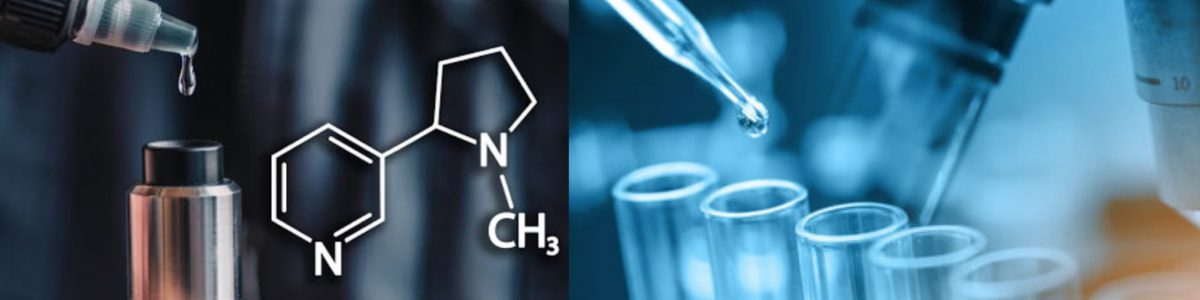
Molecular identity: High-purity Synthetic Nicotine (≥99% S-nicotine) is chemically identical to TDN (99.3%+ S-nicotine), so they bind to nicotinic receptors the same way, with equal addiction liability and acute toxicity.
Racemic Synthetic Nicotine risk: Some early synthetic products use 50:50 R/S racemic mixtures; R-nicotine has weaker receptor affinity but long-term toxicology is poorly studied, creating uncertainty about chronic exposure.
Addiction & harm profile: Both types are addictive and not risk-free; the FDA emphasizes that tobacco’s lethality stems from thousands of combustion byproducts, not nicotine alone.
We specialize in manufacturing Synthetic Nicotine high-purity 99.90% ( CAS No.: 54-11-5 ) with the highest technology and stable quality control , our factory has sophisticated technology production route to produce this product ,welcome to inquiry it . Please contact us by e-mail sales@wutaichem.com for quotation requests.
http://www.wutaichem.com/is-synthetic-nicotine-safer-than-tobacco-derived-nicotine/Synthetic Nicotine is used for E-Liquids