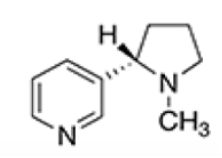


The Rise of Synthetic Nicotine and E-Cigarette Use Among Youth
The rise of Synthetic Nicotine in the e-cigarette market has become a pressing concern, particularly as it increasingly targets young consumers through aggressive marketing strategies on social media platforms. A recent study from the Annenberg School for Communication, led by postdoctoral fellow Jiaxi Wu, has shed light on the alarming practices employed by Synthetic Nicotine brands, particularly on Instagram. The research analyzed over 2,000 posts from these brands and revealed that a staggering 87% of the advertisements failed to comply with the Food and Drug Administration (FDA) guidelines for tobacco marketing. This noncompliance is particularly troubling given that Synthetic Nicotine, which is synthesized in laboratories rather than derived from tobacco leaves, now accounts for nearly two-thirds of all products available in U.S. vape shops.
The implications of this trend are significant, especially considering the known risks associated with nicotine use among young people. While comprehensive research on the health effects of Synthetic Nicotine is still lacking, it is pharmacologically similar to traditional tobacco-derived nicotine, suggesting that it may carry similar addictive risks. The use of nicotine during adolescence poses serious threats to brain development and psychosocial health, increasing the likelihood of transitioning to combustible tobacco products like traditional cigarettes. The FDA has attempted to regulate this burgeoning market by mandating that advertisements for e-cigarettes containing Synthetic Nicotine include a health warning that occupies 20% of the ad space. However, the Annenberg study highlights that many companies have successfully circumvented these regulations, particularly on social media, where they can reach millions of young users.
The marketing tactics employed by these brands are particularly concerning. They often promote products in appealing flavors, such as cotton candy and bubblegum, which are especially attractive to youth and were previously banned in traditional tobacco products. The study found that only 13% of the posts analyzed adhered to the FDA’s health warning requirements. Furthermore, the presence of health warnings in advertisements was linked to decreased engagement on social media, suggesting that brands prioritize user interaction over compliance with health regulations. Posts that included health warnings averaged 5.4 comments, while those without garnered an average of only 1.8 comments. This indicates that the inclusion of health warnings may deter user interaction, leading brands to favor engagement over adherence to regulations.
Jiaxi Wu emphasized the importance of sharing these findings with the FDA and policymakers, stating that the current marketing strategies employed by Synthetic Nicotine brands encourage the trial and use of e-cigarettes and other nicotine products among young people. The study underscores the urgent need for regulatory bodies to address these marketing tactics to protect youth from the risks associated with nicotine addiction. As the U.S. grapples with rising rates of e-cigarette use among adolescents, the implications of these marketing strategies are profound, necessitating immediate action from health authorities and policymakers to safeguard public health.
The findings of this study serve as a critical reminder of the ongoing challenges in regulating tobacco marketing in the digital age. With social media being a primary platform for youth engagement, understanding the tactics used by synthetic nicotine brands and the effectiveness of current regulations will be essential in combating nicotine addiction among young people. The need for stricter enforcement of advertising regulations and increased awareness regarding the risks associated with Synthetic Nicotine use is paramount. As the landscape of tobacco marketing continues to evolve, it is crucial to prioritize the health and well-being of future generations.
We specialize in manufacturing Synthetic Nicotine high-purity 99.90% ( CAS No.: 54-11-5 ) with the highest technology and stable quality control , our factory has sophisticated technology production route to produce this product ,welcome to inquiry it . Please contact us by e-mail sales@wutaichem.com for quotation requests.
http://www.wutaichem.com/the-rise-of-synthetic-nicotine-and-e-cigarette-use-among-youth/Synthetic Nicotine is used for E-Cigarettes